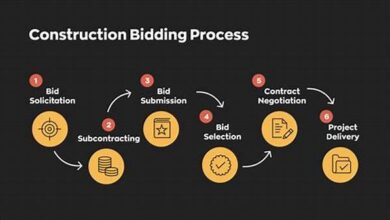
Alright, folks! Ever wondered how those fancy government weapons systems contracts get into the hands of certain companies? We’re diving into the ins and outs of these mega deals. Buckle up because it’s not just about who has the biggest guns, but also who knows the rules of the game. Let’s unravel this mystery!
The Real Deal Behind Government Contracts
Believe it or not, landing a government contract for weapons systems isn’t just about being the big, bad military contractor on the block. There’s a whole dance of proposals, evaluations, and negotiations. You might think it’s all cloak and dagger, but actually, it’s more like a massive, multi-step audition. Companies often spend big bucks just to bid on these contracts. Imagine pitching your school project, but with jets and tanks! That’s the scene here. Government weapons systems contracts: how they’re awarded is more about meeting requirements and less about movie-like drama. But hey, it’s still savagely competitive!





Once a company ropes in a government weapons systems contract, it’s not just smooth sailing. There’s accountability, performance reviews, and sometimes, a lot of explaining to do if things go south. It’s like they’ve signed up for the military version of “America’s Got Talent,” with a panel of defense officials as judges. And just like any competition, favoritism can be a thing, but rules and regulations keep things mostly in line—thankfully.
The road to securing government weapons systems contracts: how they’re awarded can feel like a marathon. Companies need to be tech-savvy, cost-efficient, and ready to tackle rigorous scrutiny and audits. At the end of the day, high stakes mean high rewards, and those who get it right earn not just financial boons but legacy status in the industry.
Bidding Wars and Hostile Takeovers
1. It’s like a battlefield out there—bidding for government weapons systems contracts isn’t a game. Companies go head-to-head, armed with killer proposals and rockstar presentations!
2. Ever seen sharks smelling blood? That’s the scene when a juicy government weapons system contract is up for grabs. It’s every contractor for themselves, baby!
3. Think you can walk in and snatch a contract? Nah, dude. There’s a complex process designed to weed out the weak bids. Only the strong (and thorough) survive the government weapons systems contracts saga!
4. Remember, winning is just the beginning. Once the spotlight’s on you, it’s time to perform. Government contracts come with strings. You’ve got to deliver, and fast!
5. Don’t forget the weight of performance reviews. Contracts are like a season of your favorite show; if you want a sequel, you better impress the critics.
The Epic Process: From Proposal to Signing
Let’s cut to the chase: going after government weapons systems contracts: how they’re awarded involves a whirlwind more chaotic than your Monday morning. It all starts with a Request for Proposals (RFP), a document so heavy with technical jargon you’d think it’s written in code. Companies then drop everything to whip up the perfect reply. They strap on their thinking caps and churn ideas to create a killer presentation.
The ultimate goal? To make that panel of stern evaluators nod in approval. After what feels like ages, if the thumbs are up, talks commence. These aren’t your average diner conversations—every word spoken could be a game-changer. Terms and requirements get tossed around until everyone’s happy, or at least not grumbling. Only then do signatures fly, and boom, a new contract is in the books. It’s an epic saga worthy of its own Netflix series!
Ten Steps to Contract Victory
1. Spotting the Opportunity: Surprise! It’s not about picking contracts. You need to have the inside scoop on which ones to chase.
2. Crafting the Proposal: This is where the magic happens. Assemble the proposal; make it worthy of awards.
3. The All-Important RFP Stage: Don’t mess this up! Missing a tiny detail can send you packing.
4. Competitive Analysis: Understand your competition. Know their strengths and weaknesses before you head into battle.
5. Suit Up for Presentations: You’ve got one shot to convince the pros that you’re “it.”
6. Negotiation Navigations: Mastering the art of negotiation is crucial. Play it smart, and walk away with terms that work for you.
7. Getting it Approved: It’s gotta be a thumbs-up from all sides. No sneaky tricks here!
8. Sign on the Dotted Line: Yeah, do a little dance. It’s official now, and it feels good.
9. The Review Stage: You go through evaluations like a college student at finals.
10. Delivery & Feedback: Deliver the goods in style. Feedback can be brutal, but it’s your ticket to future contracts.
The Mantra of Government Contracts
It’s funny how chasing after these government weapons systems contracts: how they’re awarded is a mix of bureaucracy and creativity. Everyone’s on a mission, each vying for that elusive edge. Winning isn’t just fortune and fame; it’s about building a legacy. There’s bound to be paperwork that could swamp a boat, calls that stretch into infinity, and scrutiny sharper than your meanest high-school teacher’s eyes.
The most thrilling part? There’s always that rush of being in the game. Crafting, pitching, negotiating—it’s like navigating a labyrinth, and every twist holds a shot at glory or doom. To those who’ve joined this race, all we say is brace yourselves! And if you’re willing to dive headfirst, then welcome. The stage is yours!
Summing Up the Journey
Diving into how government weapons systems contracts: how they’re awarded is like opening Pandora’s box filled with surprises and secrets. There’s no one-size-fits-all. It’s a high-stakes dance that takes you on a ride—adrenaline, sweat, and the occasional breakdown included. Yet, for those who persist, it offers a chance to stake their claim in the annals of defense history.
And so, as the curtain gently closes on our journey, remember: by participating in this arena, businesses get not just contracts, they gain prestige. Sure, it demands blood, sweat, and tears. But landing that coveted contract—that’s a legacy-building moment. If you’re standing at the edge, ready to leap into this world, take a deep breath and jump. Who knows where the ride might take you?