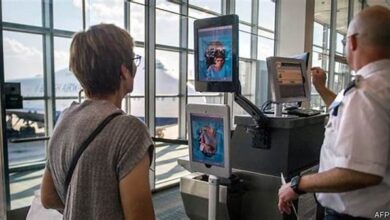
“Facial recognition surveillance is about as sci-fi as it gets, right? Well, the future is now! Government security programs are hopping on this high-tech trend to keep things safe and sound. It’s all about using tech to make the world a better place—or at least a safer one. So, what’s the 411 on this cutting-edge snooping stuff? Let’s dive in!”
Why Governments Are All In on Facial Recognition Surveillance
Governments worldwide are turning up the tech game with facial recognition surveillance for government security programs. Seriously, this stuff feels like it’s straight out of a spy movie. The deal here is to amp up safety and catch the bad guys before they even know what hit ’em. Imagine being able to spot a wanted criminal in a crowd of thousands. Yeah, facial recognition is making that happen. Plus, these programs aim to boost security in public spaces like airports, train stations, and even concerts. While some are all for it, holla if you hear the privacy concerns—because those are real, too! People wanna make sure that Big Brother isn’t watching more than necessary. But for those riding the tech wave, facial recognition surveillance for government security programs is the bee’s knees.






The Perks and Quirks of Facial Recognition Surveillance
1. Speedy Stuff: Facial recognition means security checks go faster. No long lines, yay!
2. Crime-Fighting Heroes: Catching crooks and nabbing fugitives like it’s nothing.
3. High-Tech Vibes: Feeling like you’re in a sci-fi flick every time you pass through security.
4. Eyes on the Prize: Keeping public spaces safe without tons of security personnel.
5. Privacy Panic: Yep, people worry about privacy. Nobody wants their every move tracked!
Security Meets Tech: What’s the Deal?
Facial recognition surveillance for government security programs isn’t just about playing high-tech cop. It’s a whole movement to merge advanced tech with public safety. Think of it as Batman teaming up with Iron Man—talk about a power duo! Governments are tapping into AI and machine learning to make sure they’re not just keeping up with threats but staying ahead of them. But hey, where there’s tech, there’s talk! People wanna make sure these systems aren’t being misused. It’s like calibrating a new toy; you gotta make sure it works right before showing it off to the world.
Flipping the script on how we view safety, these programs offer a chance to rethink personal and public security. But let’s not forget the learning curve. Adjustment periods and setting the right boundaries are key factors in ensuring facial recognition surveillance doesn’t step on too many toes. To quote Uncle Ben, “With great power comes great responsibility.” Or, in this case, great tech requires great oversight!
Ten Takes on Facial Recognition: What’s the Buzz About?
1. Public Security Superstars: It’s like security, but make it futuristic.
2. Airport Awesomeness: Zoom through security without breaking a sweat.
3. Privacy Players: Keep your face under wraps—or get comfy with the cams!
4. Crime-Fighting Fantasy: Bad guys beware—the tech’s hot on your trail!
5. Tech Talk Everywhere: Everyone’s buzzing about facial recognition deets.
6. ID, Please? Verifying identities made super easy.
7. Cheaper Chillin’: Less need for guards means more cash for other stuff.
8. Tech-Savvy Towns: Cities getting a major upgrade in the cool department.
9. Privacy Panic Stations: Some folks are a little anxious about being watched.
10. Future Is Now: Embracing the tech of tomorrow, today!
Navigating the Tech: How Governments Use Facial Recognition
Facial recognition surveillance for government security programs isn’t just a flash in the pan; it’s a full-on tool for public safety and efficiency. Born from a need to handle increasing security demands, it offers a digital handshake boasting both safety and innovation. This blend of real-time monitoring with rapid response capabilities transforms how governments interact with our world. And while it may seem like a futuristic dream, for many, it’s already their everyday reality. Treading this tech path isn’t without its challenges, though. Conversations around privacy are crucial. Ensuring that personal freedoms aren’t trampled in the pursuit of security remains a top priority for many a policymaker.
Dishing out the latest in crowd control and safety solutions, facial recognition surveillance for government security programs opens up a whole new world of potential. Realigning the way we approach safety, this tech-style shift has its fans and skeptics alike. Love it or hate it, its transformative impact on enhancing governmental operations and public safety won’t be fading anytime soon.
The Future of Facial Recognition in Security
Facial recognition surveillance for government security programs is rewriting the rules of the game. Efficiencies created by streamlined operations mirror the intricate complexities of the tech itself, offering both promise and peril. From airports with lightning-fast security lanes to safer urban centers, the potential applications are endless. Yet, integrating this tech without compromising privacy is a constant seesaw act juggling innovation and public trust.
In navigating this new landscape, transparency emerges as the golden rule. Governments that openly communicate their intentions and methodologies are likely to win the public’s trust. After all, ensuring a future where facial recognition becomes an integral part of societal structure is no small task. But with balanced policies and ongoing dialogue, it’s a feasible mission. Just remember, at the end of the day, it’s all about keeping that balance between harnessing powerful tools and safeguarding individual rights.
Wrapping Up: The Good and the Geeky
Facial recognition surveillance for government security programs offers an electrifying glimpse into a safer, albeit more observed, future. Pairing cutting-edge tech with age-old security needs creates an interesting blend of innovation and vigilance. As governments grow more reliant on these advancements, the pursuit of protection should not overshadow the priority of privacy. It’s like walking a digital tightrope, requiring precision, policy finesse, and perpetual public engagement.
Understanding the delicate interplay between tech and freedom is key. Mastering this co-existence ensures that facial recognition surveillance for government security programs legitimately enhances public safety without overreaching its bounds. Keeping the dialogue open and adaptive remains central to ensuring that our future unfolds with both security and liberty in mind. As with any tale, it’s essential to evolve alongside the narrative, ensuring each chapter aligns with our principles.